
Food affects people differently. While some individuals can eat almost anything without experiencing digestive discomfort, others may notice that certain foods contribute to bloating, gas, abdominal discomfort, or changes in bowel habits. Because digestive health is highly individual, nutrition researchers have spent years studying how specific foods and nutrients interact with the digestive system.
One dietary approach that has received significant attention is the low FODMAP diet. Developed through scientific research into digestive health, this approach focuses on reducing certain carbohydrates that may be difficult for some individuals to tolerate. Over time, low FODMAP meal planning has become a widely discussed topic among healthcare professionals, nutrition experts, and people seeking better understanding of food-related digestive symptoms.
Low FODMAP meals are designed to limit foods that contain higher amounts of specific fermentable carbohydrates while still providing balanced nutrition. These meals are not intended to eliminate entire food groups permanently. Instead, they are typically used as part of a structured process that helps individuals identify foods that may contribute to digestive concerns.
Understanding what low FODMAP meals are, how they are created, and who may benefit from them can provide valuable insight into one of the most researched dietary approaches related to digestive wellness.
Understanding FODMAPs
The term FODMAP is an acronym that refers to a group of carbohydrates found naturally in many foods.
FODMAP stands for:
- Fermentable
- Oligosaccharides
- Disaccharides
- Monosaccharides
- Polyols
These carbohydrates are present in a wide variety of fruits, vegetables, grains, dairy products, sweeteners, and processed foods.
For many people, FODMAP-containing foods are consumed without any issues. However, some individuals may find that certain FODMAPs contribute to digestive symptoms.
Why FODMAPs Matter
FODMAPs are unique because they may not be fully absorbed in the small intestine.
When they continue through the digestive tract, they can:
- attract water
- undergo fermentation
- interact with gut microorganisms
These processes are a normal part of digestion, but they may produce symptoms in some individuals depending on their digestive sensitivity.
What Are Low FODMAP Meals?
Low FODMAP meals are meals that emphasize foods containing lower amounts of fermentable carbohydrates.
The purpose of these meals is to reduce exposure to high-FODMAP foods while maintaining a nutritionally balanced eating pattern.
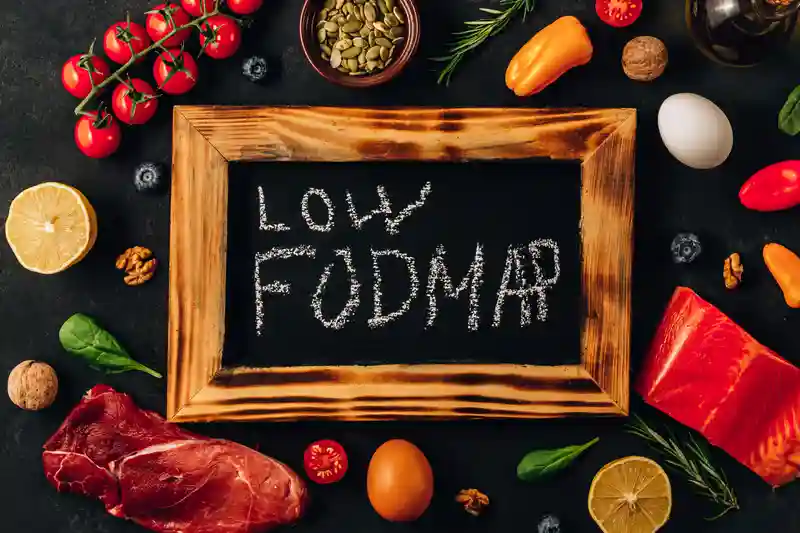
A low FODMAP meal may include:
- protein-rich foods
- selected fruits
- selected vegetables
- grains
- healthy fats
The specific ingredients vary according to individual dietary needs and preferences.
The Goal of Low FODMAP Meal Planning
Contrary to common misconceptions, the goal is not to avoid FODMAPs forever.
Instead, low FODMAP meal planning is often used to:
- identify potential dietary triggers
- understand personal food tolerances
- support digestive comfort
- create individualized eating patterns
This personalized approach is one reason the low FODMAP method has gained widespread attention.
Common Components of Low FODMAP Meals
Although food choices vary, most low FODMAP meals share certain characteristics.
They focus on balance, variety, and nutritional adequacy.
Protein Sources
Protein often serves as the foundation of many low FODMAP meals.
Examples may include:
- poultry
- fish
- eggs
- lean meats
- certain plant-based protein options
Protein contributes to satiety and supports numerous bodily functions.
Vegetables
Many vegetables can be incorporated into low FODMAP meal plans.
Vegetables contribute:
- vitamins
- minerals
- fiber
- antioxidants
Selecting appropriate vegetables helps create balanced and satisfying meals.
Fruits
Fruit remains an important part of many low FODMAP eating plans.
Different fruits contain varying amounts of FODMAPs, so portion size and food selection often play a role in meal planning.
Grains and Starches
Carbohydrates remain an important source of energy.
Low FODMAP meal plans may include suitable grain and starch options that align with dietary guidelines and personal preferences.
Healthy Fats
Healthy fats contribute:
- flavor
- texture
- satiety
Common sources may include:
- olive oil
- nuts
- seeds
- certain plant oils
Balanced fat intake supports overall nutritional quality.
Why Low FODMAP Meals Have Become Popular
Interest in digestive health has grown substantially over the last decade.
Several factors have contributed to the popularity of low FODMAP meals.
Increased Awareness of Digestive Health
People are paying closer attention to how food affects their well-being.
This awareness has encouraged greater interest in personalized nutrition approaches.
Growth of Nutrition Research
Advances in digestive health research have increased understanding of how different foods interact with the gastrointestinal system.
The low FODMAP approach emerged from this scientific exploration.
Focus on Individualized Nutrition
Modern nutrition increasingly recognizes that there is no universal eating plan that works perfectly for everyone.
Low FODMAP meal planning reflects this shift toward personalization.
Who May Benefit From Low FODMAP Meals?
Not everyone needs to follow a low FODMAP eating pattern.
Many people tolerate FODMAP-containing foods without difficulty.
However, certain individuals may find the approach useful when exploring digestive concerns.
Individuals Experiencing Digestive Discomfort
Some people notice recurring digestive symptoms after eating specific foods.
Examples may include:
- bloating
- abdominal discomfort
- excessive gas
- digestive irregularities
A structured dietary approach may help identify foods associated with these experiences.
People Interested in Food Sensitivity Exploration
Low FODMAP meal planning can serve as a systematic way to evaluate food tolerance.
Rather than relying on guesswork, individuals can follow a structured process that allows more careful observation of dietary responses.
Those Seeking Greater Awareness of Eating Habits
The low FODMAP approach often encourages individuals to become more mindful of:
- food choices
- ingredients
- portion sizes
- eating patterns
This increased awareness can support broader nutritional education.
Understanding the Low FODMAP Process
The low FODMAP approach is often described as a multi-stage process.
These stages help individuals identify foods that work best for them.
Elimination Phase
The first stage generally involves temporarily reducing higher-FODMAP foods.
This period is structured and time-limited.
The purpose is to establish a baseline for observation.
Reintroduction Phase
Foods are gradually reintroduced in a systematic manner.
This process helps identify individual responses to specific food categories.
Personalization Phase
The final stage focuses on creating a sustainable eating pattern tailored to personal tolerance levels and nutritional needs.
This phase is highly individualized.
Examples of Low FODMAP Meal Ideas
Low FODMAP meals can be varied and flavorful.
Examples might include:
Breakfast
A balanced breakfast may feature:
- eggs
- suitable fruit
- low FODMAP grain options
This combination provides protein, carbohydrates, and nutrients.
Lunch
Lunch may include:
- grilled protein
- vegetables
- grain-based side dishes
Balanced lunches help maintain energy throughout the day.
Dinner
Dinner options often emphasize:
- protein
- vegetables
- healthy fats
- appropriate starches
Variety supports long-term sustainability.
Snacks
Snacks may include carefully selected foods that fit individual dietary goals and preferences.
Planning ahead can make snacking easier.
The Importance of Nutritional Balance
One of the most important considerations when following any dietary pattern is maintaining nutritional adequacy.
Low FODMAP meals should provide:
- sufficient calories
- essential nutrients
- dietary variety
Balanced nutrition remains a priority.
Fiber Considerations
Fiber is an important component of digestive health.
Individuals following low FODMAP meal plans should consider fiber intake carefully.
Including appropriate fiber-containing foods can help support overall dietary quality.
Hydration and Digestive Wellness
Water plays a vital role in many bodily processes.
Proper hydration supports:
- digestion
- nutrient transport
- general wellness
Hydration should remain a focus regardless of dietary approach.
Challenges of Low FODMAP Meal Planning
Although many people find low FODMAP meal planning helpful, it can present challenges.
Understanding these challenges supports realistic expectations.
Learning New Food Lists
The variety of foods included in different FODMAP categories can initially seem overwhelming.
Education often plays a key role in successful implementation.
Meal Preparation
Some individuals spend more time planning meals when first adopting a low FODMAP approach.
Meal preparation skills can become valuable.
Dining Out
Restaurant meals may contain ingredients that are difficult to identify.
Planning ahead and communicating dietary preferences can help.
Maintaining Variety
Restrictive eating patterns can sometimes reduce dietary variety.
Thoughtful meal planning helps preserve diversity and enjoyment.
Common Misconceptions About Low FODMAP Meals
Several myths surround the low FODMAP approach.
Myth: Low FODMAP Means Low Nutrition
A properly planned low FODMAP eating pattern can include a wide variety of nutrient-rich foods.
Nutritional balance remains achievable.
Myth: Everyone Should Follow a Low FODMAP Diet
Low FODMAP meal planning is not intended for everyone.
Many people can comfortably consume foods containing FODMAPs.
Myth: All Carbohydrates Must Be Avoided
Carbohydrates remain an important part of balanced nutrition.
Low FODMAP meals focus on specific carbohydrate categories rather than eliminating all carbohydrates.
Myth: The Diet Is Permanent
The low FODMAP process often includes reintroduction and personalization stages.
Long-term restriction is generally not the primary goal.
The Role of Professional Guidance
Because the low FODMAP approach involves structured dietary modifications, many individuals benefit from professional support.
Qualified healthcare professionals and registered dietitians can help with:
- meal planning
- food selection
- nutritional adequacy
- personalized recommendations
Professional guidance may improve confidence and understanding.
The Relationship Between the Gut Microbiome and Low FODMAP Meals
Researchers continue studying connections between diet and the gut microbiome.
The gut microbiome refers to the community of microorganisms living within the digestive tract.
Areas of investigation include:
- microbial diversity
- dietary influences
- digestive processes
- personalized nutrition
This remains an active and evolving field of research.
Research and Future Developments
Scientific understanding of digestive health continues to grow.
Researchers are exploring topics such as:
- individualized nutrition
- digestive physiology
- food tolerance patterns
- microbiome interactions
Future discoveries may further refine how low FODMAP meal planning is used and understood.
Organizations such as the Academy of Nutrition and Dietetics and the World Health Organization continue supporting evidence-based nutrition education and research that contributes to a better understanding of dietary strategies and digestive health.
Frequently Asked Questions
What are low FODMAP meals?
Low FODMAP meals are meals designed to contain lower amounts of specific fermentable carbohydrates known as FODMAPs.
Who may benefit from low FODMAP meals?
Individuals exploring digestive symptoms or working with healthcare professionals to identify dietary triggers may find the approach useful.
Do low FODMAP meals eliminate all carbohydrates?
No. Many carbohydrate-containing foods can still be included within a low FODMAP eating pattern.
Is the low FODMAP diet meant to be permanent?
Typically, the approach includes elimination, reintroduction, and personalization stages rather than indefinite restriction.
Can low FODMAP meals be nutritionally balanced?
Yes. When planned appropriately, low FODMAP meals can include a variety of nutrient-rich foods that support overall health.
Final Thoughts
Low FODMAP meals represent a structured and evidence-informed approach to exploring the relationship between food and digestive health. Rather than serving as a one-size-fits-all diet, the low FODMAP method provides a framework for identifying personal food tolerances and creating individualized eating patterns. By focusing on selected foods while maintaining nutritional balance, individuals can better understand how dietary choices influence their digestive experiences.
As interest in personalized nutrition continues to grow, low FODMAP meal planning remains an important example of how scientific research can be translated into practical dietary strategies. While not necessary for everyone, the approach has helped many individuals gain greater awareness of their eating habits and dietary responses. Through careful planning, balanced nutrition, and appropriate professional guidance when needed, low FODMAP meals can serve as a valuable tool within a broader commitment to digestive wellness and overall health.