Long before refrigeration, food preservatives, and industrial food processing became common, people relied on natural methods to preserve food and extend its shelf life. Among the oldest and most effective of these methods was fermentation. Across continents and cultures, communities discovered that certain foods could transform naturally over time, developing unique flavors, textures, and preservation qualities. This process, now known as wild fermentation, remains one of humanity’s oldest food technologies.
Wild fermentation differs from modern industrial fermentation because it relies on naturally occurring microorganisms rather than commercially manufactured starter cultures. Microbes already present in the environment, on food surfaces, and in surrounding ecosystems initiate and sustain the fermentation process. These microorganisms convert sugars and other compounds into acids, gases, and other byproducts that influence flavor, texture, and preservation.
Interest in wild fermentation has grown significantly in recent years. Home cooks, food enthusiasts, chefs, and researchers have become increasingly fascinated by traditional fermentation practices and the distinctive foods they produce. From sauerkraut and kimchi to sourdough bread and fermented vegetables, wild fermentation methods continue to play an important role in culinary traditions around the world.
Understanding how wild fermentation works, why it has been used throughout history, and what methods are commonly employed can help beginners appreciate this remarkable process and the cultural heritage associated with naturally fermented foods.
What Is Wild Fermentation?
Wild fermentation is a natural fermentation process that relies on microorganisms already present in the environment rather than commercially produced starter cultures.
These microorganisms may include:
- bacteria
- yeasts
- fungi
They naturally occur on foods, surfaces, and in surrounding environments.
When conditions are favorable, these microorganisms begin transforming food through biological activity.
Understanding Fermentation
Fermentation is a metabolic process in which microorganisms break down carbohydrates and other compounds.
During fermentation, microbes produce substances such as:
- organic acids
- carbon dioxide
- alcohols
These byproducts influence food preservation, flavor, aroma, and texture.
Fermentation has been used for thousands of years across numerous cultures.
Why Wild Fermentation Is Different
Many modern fermented foods use carefully selected starter cultures.
Wild fermentation relies instead on naturally occurring microorganisms.
This creates greater variability because microbial populations differ according to:
- location
- ingredients
- climate
- environmental conditions
As a result, every fermentation can develop unique characteristics.
The History of Wild Fermentation
Wild fermentation predates recorded history.
Ancient civilizations discovered that certain foods transformed naturally when stored under appropriate conditions.
Over time, these observations evolved into traditional food preparation methods.
Fermentation became deeply integrated into culinary cultures worldwide.
Fermentation Across Cultures
Many traditional foods originated through wild fermentation.
Examples include:
- sauerkraut
- kimchi
- sourdough bread
- fermented pickles
- traditional beverages
Different cultures developed techniques suited to local ingredients and environmental conditions.
Why Fermentation Was Important Historically
Before refrigeration, food preservation posed significant challenges.
Fermentation helped communities:
- preserve harvests
- reduce food waste
- improve storage stability
- enhance flavor
These benefits contributed to the widespread adoption of fermentation techniques.
The Science Behind Wild Fermentation
Wild fermentation occurs because microorganisms naturally seek energy sources.
Foods often contain carbohydrates and nutrients that support microbial growth.
Under suitable conditions, microbial communities begin transforming available compounds.
This process creates the characteristic changes associated with fermentation.
Microorganisms Involved in Wild Fermentation
Numerous microorganisms may participate in fermentation.
Common groups include:
- lactic acid bacteria
- wild yeasts
- beneficial fungi
Different microorganisms contribute distinct characteristics to the final product.
The Role of Lactic Acid Bacteria
Lactic acid bacteria play an important role in many vegetable fermentations.
These microorganisms convert sugars into lactic acid.
The resulting acidity helps create conditions that favor preservation.
Lactic acid also contributes to characteristic flavors.
The Role of Wild Yeasts
Wild yeasts participate in many fermentation processes.
They are particularly important in products such as:
- sourdough bread
- traditional beverages
Yeasts often produce carbon dioxide and aromatic compounds during fermentation.
Environmental Influences on Fermentation
Wild fermentation outcomes can vary significantly.
Factors influencing fermentation include:
- temperature
- humidity
- ingredient quality
- microbial populations
Environmental conditions play a major role in determining results.
Common Wild Fermentation Methods
Various fermentation methods have developed throughout history.
Although techniques differ, many rely on similar biological principles.
Understanding common methods helps illustrate the diversity of fermentation traditions.
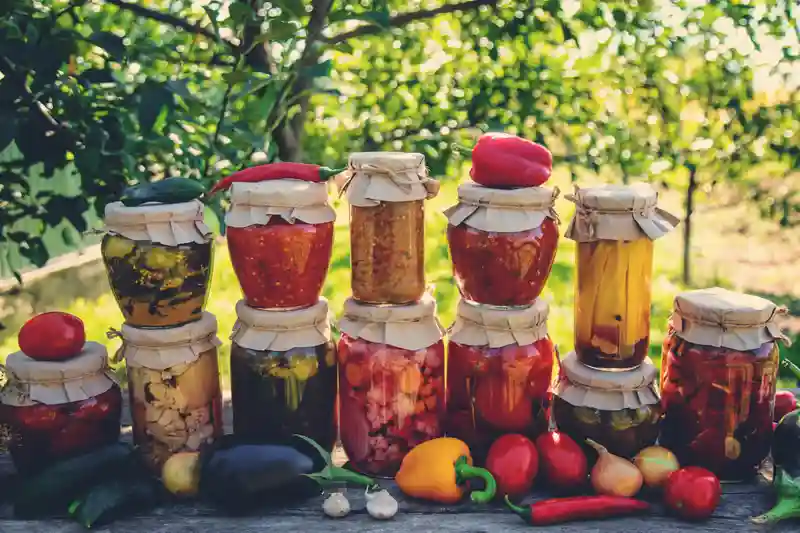
Vegetable Fermentation
Vegetable fermentation is among the most accessible forms of wild fermentation.
Common examples include:
- cabbage fermentations
- cucumber fermentations
- mixed vegetable fermentations
Natural microorganisms initiate fermentation when appropriate conditions are provided.
Salt-Brine Fermentation
Salt-brine fermentation involves submerging foods in a saltwater solution.
The brine helps create conditions favorable to certain microorganisms while discouraging undesirable organisms.
This technique is widely used in traditional vegetable preservation.
Dry Salt Fermentation
Some vegetables are fermented using salt without additional water.
The salt draws moisture from the food itself, creating a natural brine.
This method is commonly associated with cabbage-based fermentations.
Sourdough Fermentation
Sourdough fermentation relies on naturally occurring yeasts and bacteria.
These microorganisms colonize a mixture of flour and water.
Over time, a stable fermentation culture develops.
Sourdough remains one of the most recognizable examples of wild fermentation.
Grain-Based Fermentation
Various cultures have developed grain fermentation traditions.
These methods often involve naturally occurring microorganisms interacting with grains under controlled conditions.
The resulting products vary widely according to regional practices.
Fruit Fermentation
Fruits naturally contain sugars that support microbial activity.
Wild fermentation can occur when naturally occurring microorganisms begin metabolizing these sugars.
Fruit fermentations have played important roles in many culinary traditions.
Benefits of Wild Fermentation
Wild fermentation offers numerous practical and cultural benefits.
Although outcomes vary, several advantages have contributed to its enduring popularity.
Food Preservation
Historically, preservation was one of the most important benefits.
Fermentation can help extend the usability of certain foods by creating conditions that discourage spoilage.
This made fermentation especially valuable before modern refrigeration.
Flavor Development
Fermentation often produces complex flavors that are difficult to achieve through other methods.
Common flavor characteristics may include:
- tanginess
- acidity
- depth
- complexity
Many people value fermented foods primarily for these sensory qualities.
Texture Changes
Fermentation can influence food texture.
Certain fermented vegetables develop distinctive characteristics that contribute to their culinary appeal.
Texture is often an important part of the fermentation experience.
Cultural and Culinary Heritage
Fermentation traditions reflect centuries of cultural knowledge.
Many fermented foods remain closely connected to regional identities and family traditions.
Preserving these practices helps maintain culinary heritage.
Factors That Influence Fermentation Success
Successful fermentation depends on creating suitable conditions for beneficial microorganisms.
Several variables influence outcomes.
Temperature
Temperature strongly affects microbial activity.
Warmer temperatures generally accelerate fermentation, while cooler temperatures slow the process.
Maintaining appropriate conditions helps support predictable results.
Salt Concentration
Salt plays multiple roles in many fermentation methods.
It can:
- influence microbial growth
- affect texture
- contribute to flavor
Proper salt levels are important for many traditional techniques.
Ingredient Quality
Fresh ingredients often support more successful fermentation outcomes.
Microbial populations naturally present on ingredients contribute to the fermentation process.
Quality ingredients provide a strong foundation.
Oxygen Exposure
Different microorganisms have different oxygen requirements.
Some fermentation methods limit oxygen exposure, while others allow varying degrees of air contact.
Managing oxygen can influence fermentation dynamics.
Common Fermented Foods Produced Through Wild Fermentation
Numerous foods around the world rely on wild fermentation.
Examples include:
- sauerkraut
- kimchi
- sourdough bread
- traditional pickles
- fermented vegetables
Each product reflects unique cultural traditions and microbial communities.
Safety Considerations
Food safety is an important aspect of fermentation.
Proper techniques help create conditions favorable to beneficial microorganisms.
Understanding established practices supports successful outcomes.
Clean Equipment
Fermentation equipment should be properly cleaned before use.
Cleanliness helps reduce unwanted contamination and supports fermentation consistency.
Following Established Methods
Beginners often benefit from following well-documented fermentation methods.
Reliable procedures help reduce uncertainty and improve outcomes.
Monitoring Fermentation Conditions
Regular observation allows individuals to monitor fermentation progress.
Changes in appearance, aroma, and activity can provide useful information regarding the process.
Common Misconceptions About Wild Fermentation
Several misconceptions surround wild fermentation.
Examples include:
- all microorganisms are harmful
- fermentation always requires commercial cultures
- fermentation is unpredictable and unsafe
Understanding the science helps clarify these misunderstandings.
The Modern Revival of Fermentation
Interest in traditional food preparation methods has increased substantially.
Many people are exploring fermentation as a way to connect with culinary traditions and develop new food preparation skills.
This renewed interest has contributed to a global fermentation revival.
Fermentation and Scientific Research
Researchers continue studying fermentation and microbial ecosystems.
Areas of interest include:
- microbial diversity
- food science
- fermentation chemistry
- traditional food systems
Scientific investigation continues expanding understanding of these processes.
The Future of Wild Fermentation
Wild fermentation remains relevant in both traditional and modern food cultures.
Growing interest in artisan food production, sustainability, and culinary heritage is likely to support continued exploration of fermentation techniques.
Organizations such as Food and Agriculture Organization and World Health Organization continue supporting research and educational initiatives related to food systems, preservation methods, and nutrition science.
Frequently Asked Questions
What is wild fermentation?
Wild fermentation is a natural fermentation process that relies on microorganisms already present in the environment rather than commercial starter cultures.
What foods are commonly made using wild fermentation?
Common examples include sauerkraut, kimchi, sourdough bread, traditional pickles, and various fermented vegetables.
Why is salt used in many fermentations?
Salt helps create favorable conditions for certain microorganisms and influences flavor, texture, and preservation.
Does wild fermentation always require special equipment?
Many traditional methods require only basic containers and simple tools, although cleanliness remains important.
Why has wild fermentation remained popular for centuries?
It supports food preservation, flavor development, culinary traditions, and cultural heritage.
Final Thoughts
Wild fermentation is one of humanity’s oldest and most fascinating food preparation techniques. By harnessing naturally occurring microorganisms, generations of people have preserved food, developed unique flavors, and created culinary traditions that continue to thrive today. From fermented vegetables and sourdough bread to countless regional specialties, wild fermentation demonstrates the remarkable relationship between humans, food, and microbial ecosystems.
As interest in traditional food practices continues growing, wild fermentation offers valuable opportunities to explore culinary history, food science, and natural preservation methods. While modern technology has transformed food production in many ways, the fundamental principles of wild fermentation remain as relevant as ever. Through careful observation, respect for established methods, and appreciation for microbial processes, both beginners and experienced food enthusiasts can continue discovering the rich world of naturally fermented foods.