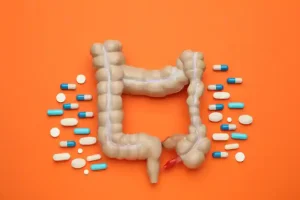

Interest in gut health has expanded dramatically in recent years as researchers continue uncovering the complex relationships between the digestive system, the gut microbiome, and overall well-being. What was once considered primarily a digestive concern is now recognized as a broader area of health science involving nutrition, immunity, metabolism, and the interactions between trillions of microorganisms living within the human body.
Among the many topics attracting attention in microbiome research is the growing interest in probiotics. Probiotics are commonly defined as live microorganisms that are intended to support a healthy balance of microorganisms within the digestive system. Traditional probiotic products often contain well-known bacterial groups such as Lactobacillus and Bifidobacterium. However, another category of probiotics has emerged as an important area of scientific investigation: spore forming probiotics.
Spore forming probiotics differ from many conventional probiotic strains because of their ability to form protective structures known as spores. These specialized structures help certain bacteria survive harsh environmental conditions, including heat, dryness, and acidic environments. This unique characteristic has made spore forming probiotics a subject of growing interest among researchers studying microbial survival, digestive health, and probiotic delivery.
As research continues to evolve, spore forming probiotics are becoming increasingly recognized for their distinctive biological properties and potential applications. Understanding what they are, how they work, and how they differ from traditional probiotics can provide valuable insight into one of the most fascinating areas of modern microbiome science.
What Are Spore Forming Probiotics?
Spore forming probiotics are probiotic microorganisms capable of producing highly durable structures called spores.
A spore functions as a protective state that allows certain bacteria to survive challenging environmental conditions.
When favorable conditions return, the microorganism may transition from its dormant spore state into an active form.
This ability distinguishes spore forming probiotics from many traditional probiotic organisms.
Understanding Probiotics
Probiotics are live microorganisms commonly studied for their relationship with the gut microbiome and digestive health.
Research into probiotics focuses on:
- microbial balance
- digestive processes
- microbiome interactions
- host-microbe relationships
Different probiotic organisms possess different characteristics and biological behaviors.
What Is a Bacterial Spore?
A bacterial spore is a specialized protective structure produced by certain bacterial species.
Spores help microorganisms survive environmental stresses such as:
- heat
- dehydration
- ultraviolet exposure
- nutrient scarcity
The spore acts like a biological survival mechanism.
Why Some Bacteria Form Spores
Not all bacteria can produce spores.
Spore formation is an evolutionary adaptation that helps certain microorganisms persist in changing environments.
When conditions become unfavorable, the organism enters a dormant state until conditions improve.
This strategy contributes to long-term survival.
How Spore Formation Works
The process of spore formation involves significant biological changes.
The bacterial cell creates a protective outer structure that surrounds essential genetic material and cellular components.
This structure helps shield the organism from environmental challenges.
Dormancy and Reactivation
One of the defining features of spores is dormancy.
During this state:
- metabolic activity decreases dramatically
- growth stops
- survival mechanisms dominate
When favorable conditions return, the spore can reactivate and resume normal biological activity.
Common Types of Spore Forming Probiotics
Several bacterial groups are commonly associated with spore forming probiotic research.
Many belong to the genus:
- Bacillus
These organisms have attracted attention because of their ability to form resilient spores and survive diverse conditions.
The Bacillus Genus
The Bacillus group contains numerous species capable of forming spores.
Researchers continue investigating various Bacillus strains to better understand their biological characteristics and interactions with the digestive system.
Why Researchers Study Spore Forming Probiotics
Spore forming probiotics possess characteristics that differ from many traditional probiotic strains.
Researchers are interested in understanding:
- survival mechanisms
- microbiome interactions
- digestive tract behavior
- delivery effectiveness
These factors have contributed to growing scientific interest.
How Spore Forming Probiotics Differ From Traditional Probiotics
Traditional probiotics and spore forming probiotics share certain similarities, but important differences exist.
Understanding these distinctions helps explain why spore forming probiotics have become a unique category.
Structural Differences
Traditional probiotic organisms generally exist in active bacterial forms.
Spore formers possess the additional ability to enter a dormant spore state.
This structural difference significantly influences survival characteristics.
Environmental Resistance
One of the most notable distinctions involves environmental resilience.
Spore forming organisms often demonstrate greater tolerance to:
- temperature changes
- storage conditions
- environmental stressors
This resilience is a major focus of scientific interest.
Stability During Storage
Many traditional probiotics require careful storage conditions.
Spore forming organisms often demonstrate enhanced stability due to their protective structures.
This characteristic has practical implications for product development.
Survival Through Challenging Conditions
Researchers continue studying how spore-forming bacteria respond to various environmental challenges.
Their survival capabilities have made them an important subject within microbiology and probiotic research.
The Human Gut Microbiome
To understand probiotics, it is important to understand the gut microbiome.
The microbiome consists of trillions of microorganisms living primarily within the digestive tract.
These microorganisms form complex ecosystems that interact with the body in numerous ways.
Why Gut Health Matters
The digestive system plays an important role in overall health.
Researchers continue exploring connections involving:
- digestion
- metabolism
- immune activity
- microbial interactions
The microbiome remains central to many of these investigations.
Spore Forming Probiotics and Digestive Research
Scientists continue studying how spore forming probiotics behave within the digestive environment.
Research areas include:
- microbial survival
- colonization patterns
- microbiome interactions
- digestive physiology
This field remains highly active.
Potential Advantages Being Studied
Several characteristics have made spore forming probiotics particularly interesting to researchers.
These characteristics relate primarily to their unique biological properties.
Durability
The protective spore structure contributes to remarkable durability.
This resilience helps explain why spore-forming organisms can survive environmental conditions that may challenge other microorganisms.
Long-Term Stability
Spore formation may support stability during storage and transportation.
This characteristic has attracted interest from food scientists and supplement researchers.
Environmental Adaptability
Spore-forming bacteria have evolved to survive across diverse environments.
Researchers continue studying how this adaptability influences microbial behavior.
The Life Cycle of Spore Forming Bacteria
Understanding the life cycle helps explain their distinctive characteristics.
The cycle typically involves:
- active growth
- environmental stress
- spore formation
- dormancy
- reactivation
This process allows long-term survival.
Active Bacterial State
When conditions are favorable, spore-forming bacteria exist in an active state.
During this phase, normal biological functions occur.
The organisms grow, reproduce, and interact with their environment.
Transition to Spore State
Environmental stress may trigger spore formation.
This transition represents a sophisticated survival response.
The resulting spore is highly resistant to external challenges.
Germination and Reactivation
When favorable conditions return, the spore may germinate.
The organism then resumes normal biological activity.
Researchers continue studying factors that influence this transition.
Applications in Food Science
Spore-forming microorganisms are important in several areas of food science.
Their unique survival characteristics influence food processing, preservation, and microbiological research.
Applications in Microbiome Research
Microbiome scientists continue investigating spore-forming organisms as part of broader efforts to understand microbial ecosystems.
Research focuses on how microorganisms interact with both each other and their host environments.
Spore Forming Probiotics and Modern Supplement Development
The supplement industry has shown increasing interest in spore-forming organisms.
Researchers and manufacturers continue exploring ways to utilize their distinctive properties.
Scientific evaluation remains important in this area.
Current Research Areas
Scientists are investigating numerous aspects of spore-forming probiotic biology.
Research topics include:
- microbial ecology
- digestive survival
- microbial communication
- host interactions
New findings continue expanding scientific understanding.
Safety Considerations
As with any area of microbiology, safety remains an important consideration.
Researchers evaluate microbial strains carefully before studying their potential applications.
Scientific assessment helps ensure appropriate standards.
Challenges in Research
Although interest in spore-forming probiotics continues growing, several questions remain.
Researchers continue investigating:
- mechanisms of action
- microbiome interactions
- long-term effects
- strain-specific differences
Further study is needed to address these topics.
The Role of Technology
Advances in technology have accelerated probiotic research.
Modern tools include:
- genetic sequencing
- microbiome analysis
- molecular biology techniques
- computational modeling
These innovations help scientists study microorganisms in greater detail.
Personalized Nutrition and Microbiome Science
As personalized nutrition becomes increasingly popular, researchers are exploring how different individuals respond to various microbial interventions.
This area continues evolving alongside advances in microbiome science.
Future Directions
The future of spore-forming probiotic research is likely to involve:
- advanced microbiome studies
- personalized approaches
- biotechnology innovations
- improved microbial characterization
Continued scientific investigation will help clarify their biological roles and potential applications.
Organizations such as the National Institutes of Health and the World Health Organization continue supporting scientific research related to microbiology, nutrition, digestive health, and human wellness.
Frequently Asked Questions
What are spore forming probiotics?
Spore forming probiotics are microorganisms capable of producing protective structures called spores that help them survive challenging environmental conditions.
How do they differ from traditional probiotics?
Their ability to form spores gives them unique characteristics related to durability, stability, and environmental resilience.
What is a bacterial spore?
A bacterial spore is a specialized dormant structure that protects microorganisms during unfavorable conditions.
Why are researchers interested in spore forming probiotics?
Scientists study them because of their distinctive survival mechanisms and potential interactions with the digestive system and microbiome.
Are all probiotics spore forming?
No. Only certain bacterial species possess the ability to produce spores.
Final Thoughts
Spore forming probiotics represent a fascinating area of microbiology and gut health research. Their ability to enter a protective dormant state distinguishes them from many traditional probiotic organisms and has attracted growing scientific interest. By forming resilient spores, these microorganisms can withstand challenging environmental conditions and demonstrate remarkable survival capabilities that continue to be explored by researchers around the world.
As understanding of the gut microbiome expands, interest in diverse microbial species and their unique biological properties is likely to increase. Spore forming probiotics provide an excellent example of how microbial adaptation, evolutionary biology, and modern health science intersect. Although research continues to evolve, these organisms have already established themselves as an important topic within microbiome studies, digestive health research, and the broader field of human wellness.