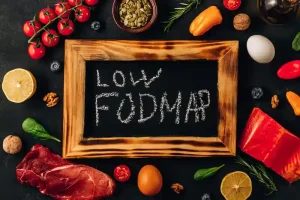

Digestive health plays a significant role in overall well-being, influencing everything from daily comfort and energy levels to nutritional intake and quality of life. While many people can consume a wide variety of foods without difficulty, others experience digestive symptoms that seem to be triggered by specific dietary choices. As a result, interest in nutrition strategies that support digestive comfort has increased considerably over the past several decades.
Among the dietary approaches that have gained significant attention is the low FODMAP diet. Originally developed through research into digestive health and food-related gastrointestinal symptoms, this approach focuses on reducing certain types of carbohydrates that may be difficult for some individuals to digest. Although the term “FODMAP” may initially sound technical, the concept has become widely recognized among healthcare professionals, dietitians, researchers, and individuals seeking to better understand digestive health.
Low FODMAP meals are structured around foods that contain lower amounts of specific fermentable carbohydrates. These meals are designed to provide balanced nutrition while minimizing exposure to certain dietary compounds that may contribute to digestive discomfort in susceptible individuals. Over time, low FODMAP meal planning has evolved into a practical framework that helps people identify foods that work best for their individual needs.
Understanding what low FODMAP meals are, how they are planned, and why they have become an important topic in digestive health can provide valuable insight into one of the most widely discussed dietary approaches in modern nutrition.
What Does FODMAP Mean?
FODMAP is an acronym used to describe a group of specific carbohydrates.
The term stands for:
- Fermentable
- Oligosaccharides
- Disaccharides
- Monosaccharides
- Polyols
These carbohydrates occur naturally in many foods.
For some individuals, they may be digested differently than other nutrients.
Understanding Low FODMAP Meals
Low FODMAP meals are meals designed to contain lower amounts of FODMAP carbohydrates.
The goal is to create eating patterns that emphasize foods less likely to contribute to digestive discomfort in sensitive individuals.
Meal planning focuses on selecting ingredients that fit within low FODMAP guidelines.
Why the Low FODMAP Approach Was Developed
Researchers investigating digestive health observed that certain carbohydrates may be associated with digestive symptoms in some people.
These observations led to the development of dietary strategies focused on reducing specific fermentable carbohydrates.
The low FODMAP approach emerged as a structured method for exploring potential dietary influences on digestive comfort.
How FODMAPs Behave in the Digestive System
FODMAP carbohydrates share certain characteristics.
They may:
- be absorbed incompletely
- attract water into the digestive tract
- undergo fermentation by gut microorganisms
These processes can influence digestive experiences in susceptible individuals.
The Importance of Individual Differences
Not everyone responds to FODMAPs in the same way.
Many people tolerate FODMAP-containing foods without difficulty.
Responses vary according to factors such as:
- digestive physiology
- dietary habits
- individual sensitivities
Personalization is therefore an important aspect of low FODMAP planning.
Characteristics of Low FODMAP Meals
Low FODMAP meals focus on ingredients that contain lower levels of fermentable carbohydrates.
At the same time, meals should remain nutritionally balanced and enjoyable.
Successful meal planning typically includes a variety of foods.
Core Components of Balanced Low FODMAP Meals
A well-structured low FODMAP meal may include:
- protein sources
- vegetables
- fruits
- grains
- healthy fats
Combining these elements supports overall nutritional quality.
Protein Sources in Low FODMAP Meals
Many protein-rich foods naturally contain little or no FODMAP content.
Examples may include:
- poultry
- fish
- eggs
- certain lean meats
Protein often serves as a foundation for low FODMAP meal planning.
Vegetables Commonly Included
Many vegetables can be incorporated into low FODMAP meals.
Selection depends on portion sizes and individual dietary plans.
Vegetables contribute:
- fiber
- vitamins
- minerals
- variety
Including diverse vegetables supports balanced nutrition.
Fruits in Low FODMAP Meal Planning
Fruit can also play an important role.
Appropriate choices depend on the specific fruit and serving size.
Fruits contribute:
- natural sweetness
- nutrients
- dietary variety
Moderation and planning remain important considerations.
Grain and Carbohydrate Sources
Many grains and carbohydrate-containing foods can be incorporated into low FODMAP meal plans.
These foods help provide energy and contribute to meal satisfaction.
Individual choices depend on dietary preferences and nutritional goals.
Healthy Fats
Healthy fats contribute flavor, texture, and nutritional value.
Examples may include:
- olive oil
- nuts
- seeds
- certain plant-based oils
Balanced meals often include appropriate fat sources.
Breakfast Ideas for Low FODMAP Meals
Breakfast is an important opportunity to establish balanced eating habits.
Low FODMAP breakfasts may emphasize:
- protein
- grains
- fruit
- healthy fats
Meal variety can support long-term adherence.
Lunch Planning Strategies
Lunch meals often benefit from simplicity and convenience.
Common approaches include combining:
- proteins
- vegetables
- grains
Balanced lunch options can support energy throughout the day.
Dinner Meal Concepts
Dinner frequently serves as the largest meal of the day for many individuals.
Low FODMAP dinner planning often focuses on:
- nutrient balance
- ingredient variety
- satisfying flavors
Thoughtful preparation can help maintain dietary diversity.
Snack Options
Snacks may play a role in supporting daily nutritional needs.
Appropriate snack choices vary according to individual dietary goals and preferences.
Planning ahead can improve convenience and consistency.
The Importance of Meal Preparation
Meal preparation can simplify adherence to dietary approaches.
Preparing ingredients in advance may help:
- save time
- improve consistency
- reduce decision fatigue
Many individuals find meal planning beneficial.
Reading Food Labels
Packaged foods may contain ingredients that influence FODMAP content.
Learning to review labels carefully can support informed food choices.
Awareness of ingredient lists is an important skill.
Dining Out on a Low FODMAP Approach
Restaurant dining can present unique challenges.
Strategies may include:
- reviewing menus beforehand
- asking questions about ingredients
- making simple substitutions
Planning ahead can improve flexibility.
Nutritional Considerations
Nutritional adequacy remains important when following any dietary pattern.
Low FODMAP meal plans should emphasize variety and balance.
A well-designed approach supports overall health goals.
Fiber Intake
Fiber plays important roles in digestive health and overall nutrition.
Meal planning should consider appropriate fiber sources within individual dietary needs.
Balancing fiber intake remains an important consideration.
Hydration and Digestive Health
Adequate hydration supports numerous physiological processes.
Water contributes to:
- digestion
- nutrient transport
- overall wellness
Hydration remains an important component of healthy eating habits.
Personalization and Individual Responses
One of the most important aspects of low FODMAP meal planning is personalization.
Different individuals may respond differently to foods.
Monitoring personal experiences can help guide dietary decisions.
The Elimination and Reintroduction Concept
The low FODMAP approach often involves structured stages.
These may include:
- temporary restriction
- systematic reintroduction
- personalized maintenance
The goal is often to identify individual tolerances rather than maintain strict restriction indefinitely.
Common Misconceptions About Low FODMAP Meals
Several misunderstandings frequently surround low FODMAP eating.
Examples include:
- all carbohydrates must be avoided
- the diet is intended for everyone
- low FODMAP means low nutrition
These misconceptions do not accurately reflect the principles of balanced meal planning.
Challenges of Low FODMAP Meal Planning
Like any structured dietary approach, low FODMAP eating can present challenges.
Common considerations may include:
- meal preparation time
- ingredient selection
- dining out
- food variety
Planning and education can help address these challenges.
The Role of Professional Guidance
Many individuals benefit from working with qualified healthcare professionals or registered dietitians when implementing dietary changes.
Professional guidance can support individualized planning and nutritional adequacy.
Research and Ongoing Developments
Scientific understanding of digestive health continues evolving.
Researchers continue investigating:
- gut microbiome interactions
- dietary influences
- digestive physiology
- individualized nutrition
New findings may contribute to future dietary recommendations.
Low FODMAP Meals and Modern Nutrition
The popularity of low FODMAP meal planning reflects growing interest in personalized nutrition.
Individuals increasingly seek dietary approaches that align with their unique needs and experiences.
This trend continues influencing nutrition research and education.
Organizations such as Academy of Nutrition and Dietetics and World Health Organization support evidence-based approaches to nutrition education, dietary planning, and overall health promotion.
Frequently Asked Questions
What are low FODMAP meals?
Low FODMAP meals are meals designed to contain lower amounts of specific fermentable carbohydrates known as FODMAPs.
Who may benefit from low FODMAP meal planning?
Some individuals exploring digestive health concerns may work with healthcare professionals to determine whether a low FODMAP approach is appropriate.
Are low FODMAP meals nutritionally balanced?
When planned properly, low FODMAP meals can include a variety of foods that contribute to balanced nutrition.
Do low FODMAP meals eliminate all carbohydrates?
No. Many carbohydrate-containing foods can still be included within a low FODMAP meal plan.
Is the low FODMAP approach intended to be permanent?
Many implementations involve structured stages that include reintroduction and personalization rather than indefinite restriction.
Final Thoughts
Low FODMAP meals have become an important topic in modern nutrition because they provide a structured framework for exploring the relationship between certain carbohydrates and digestive health. By focusing on foods that contain lower amounts of specific fermentable compounds, individuals can create meal plans that emphasize balance, variety, and personalization while supporting their broader nutritional goals. The approach has gained recognition among healthcare professionals, researchers, and individuals interested in better understanding how dietary choices may influence digestive comfort.
As research into nutrition, digestive physiology, and the gut microbiome continues to expand, interest in personalized dietary strategies is likely to grow. Low FODMAP meal planning represents one example of how nutrition science can be applied to individual needs while maintaining a focus on overall health and well-being. Through thoughtful planning, balanced food choices, and appropriate professional guidance when needed, low FODMAP meals can serve as part of a broader approach to informed and mindful eating.